
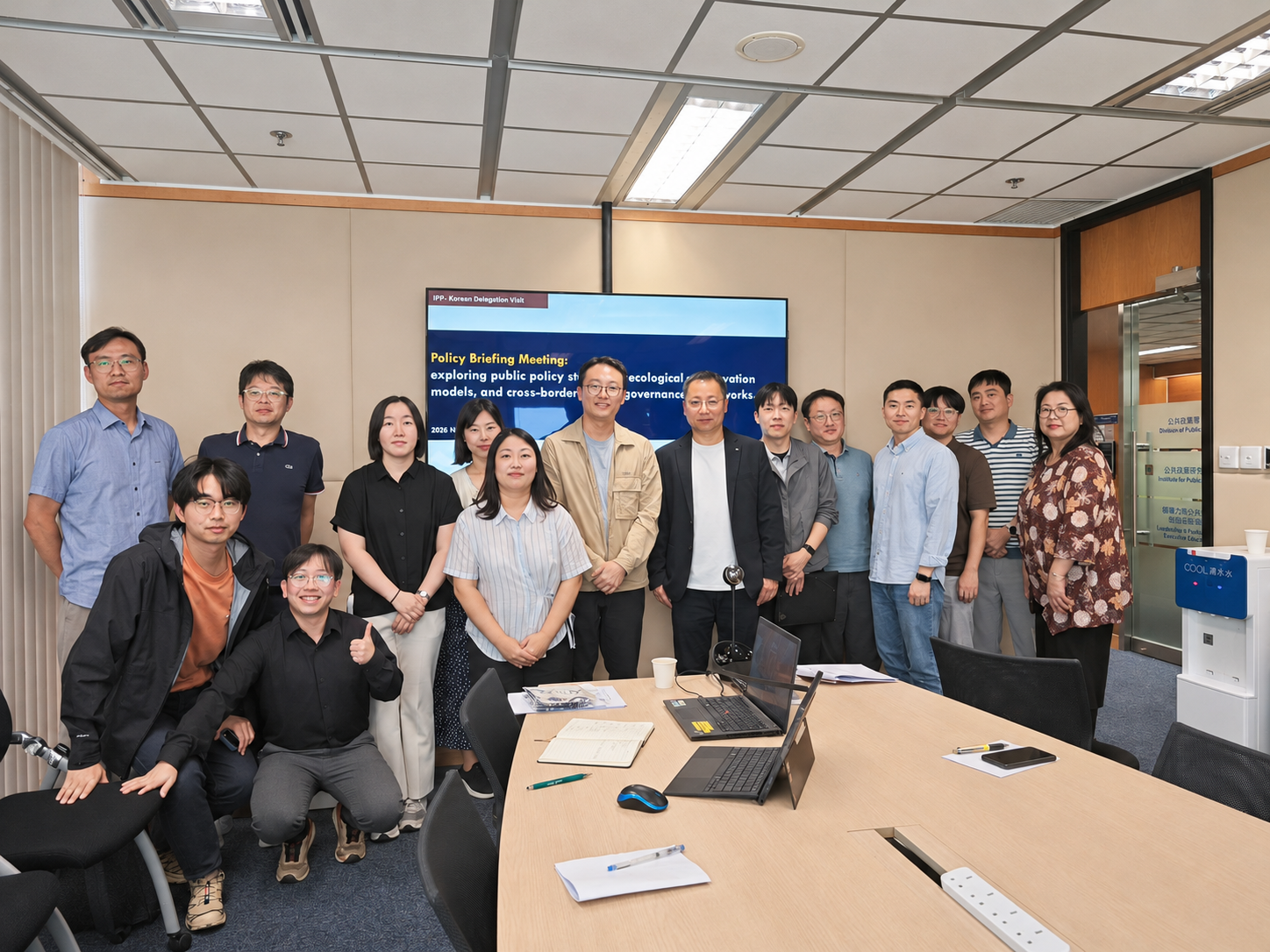
On 10 November 2026, the Institute for Public Policy (IPP) at The Hong Kong University of Science and Technology (HKUST) welcomed a government study delegation from the Republic of Korea. Organised by the Ministry of Unification, the delegation brought together officials and researchers from the Ministry of Unification, the Ministry of Climate, Energy and Environment, the Ministry of National Defense, and the National Institute of Ecology, as well as local government officials from Goseong County, Gangwon State. Professor Pengyu Zhu, Director of IPP, led the exchange on behalf of HKUST.
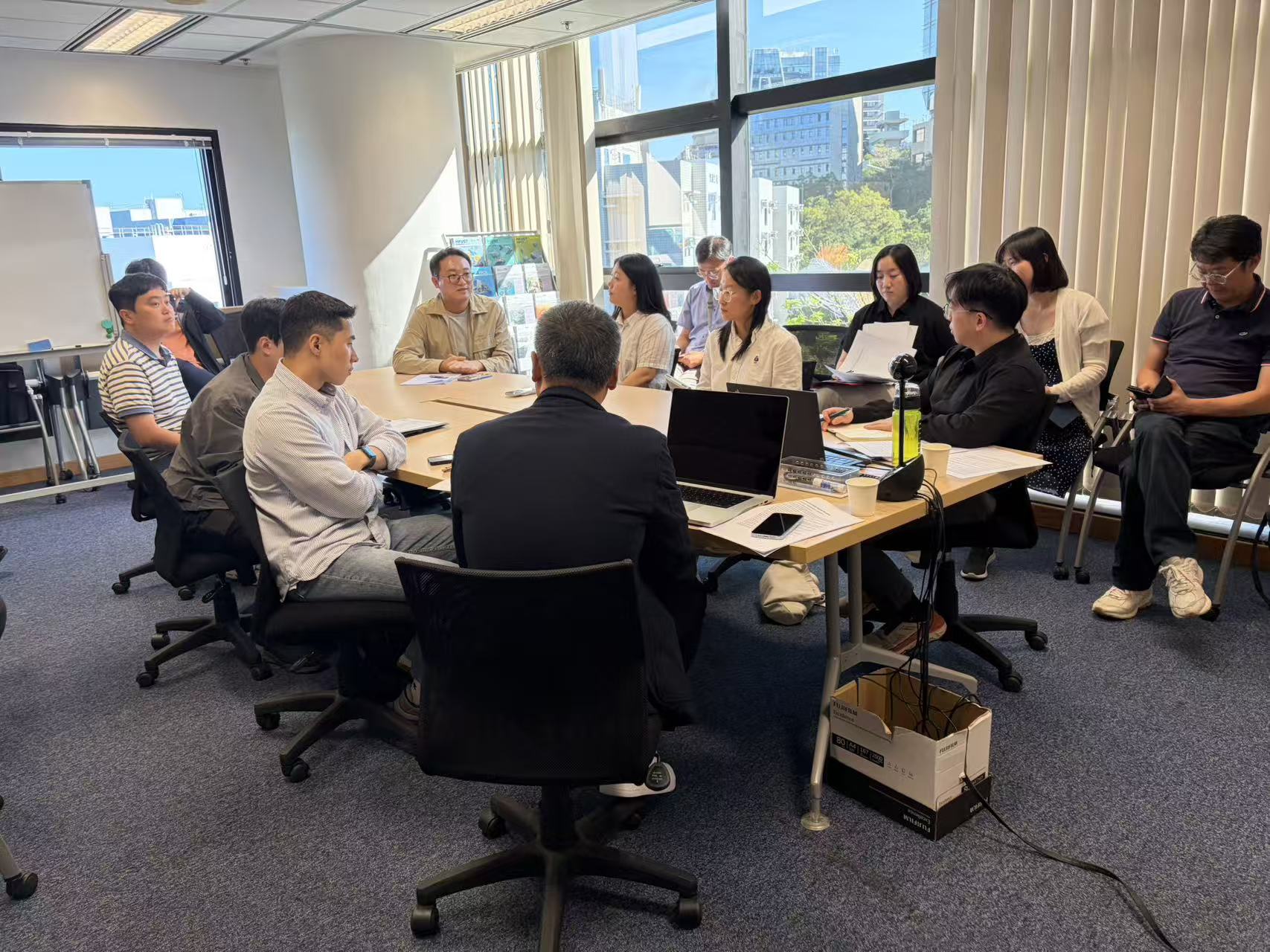
Regional Planning and Infrastructure
Drawing on his research in regional studies and urban planning, Professor Zhu introduced the Northern Metropolis as a case in coordinating land use, transport, economic development and ecological conservation across northern Hong Kong. The briefing considered how a regional strategy is translated into decisions about where development takes place, how infrastructure is phased, and how responsibilities are shared among government departments.
Professor Zhu also introduced the Lantau Tomorrow Vision, including the proposed Kau Yi Chau Artificial Islands. With no concrete implementation timetable for the reclamation works, the proposal offered a contrasting case for considering how governments set priorities and sequence major investments in land supply and infrastructure.
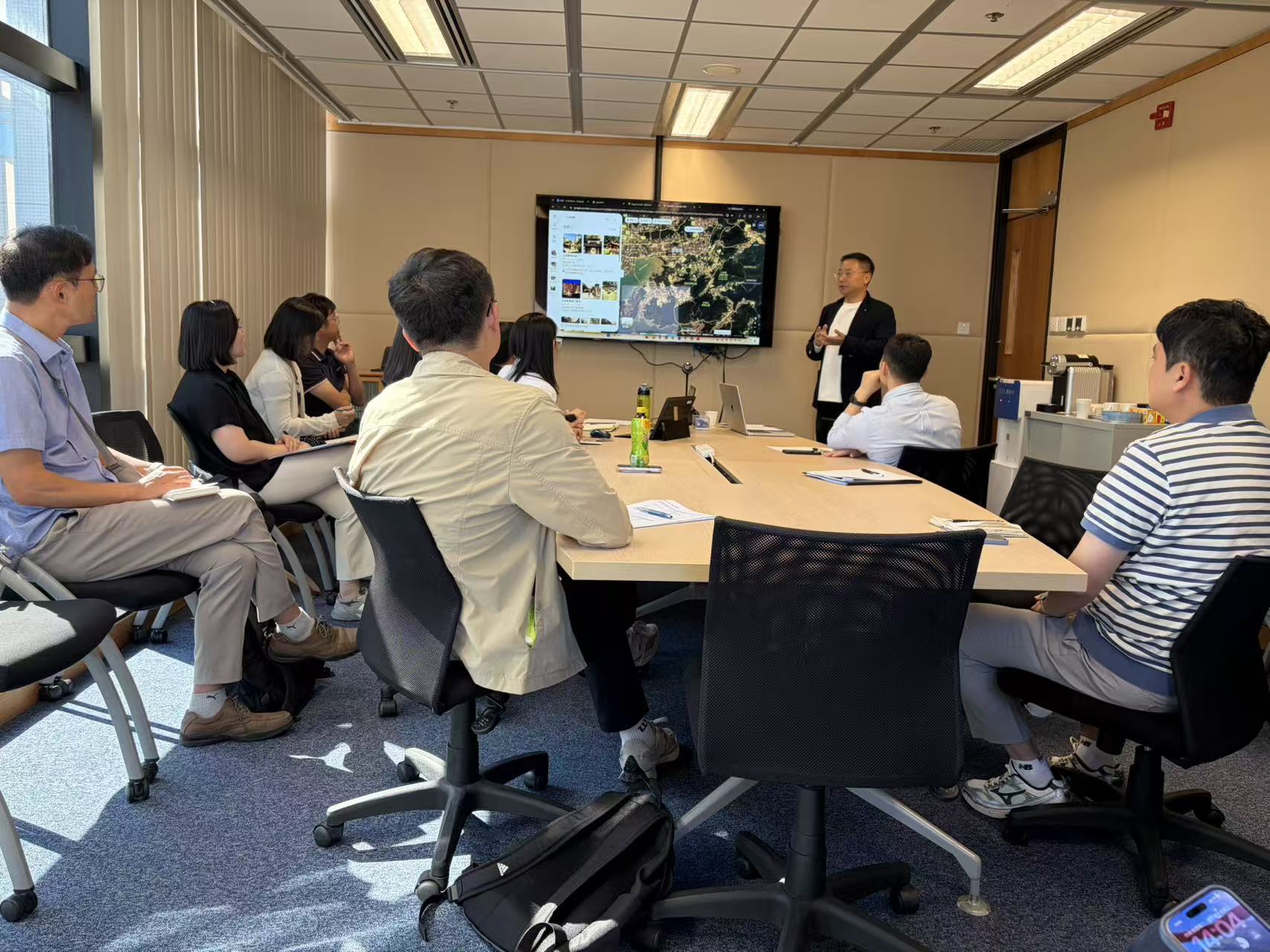
Wetland Conservation at Mai Po
The briefing also covered wetland conservation at Mai Po. The case illustrated how conservation depends on sustained habitat management, clearly assigned responsibilities and ecological monitoring. It offered a site-level perspective on the relationship between land-use decisions and the long-term work of maintaining ecologically sensitive areas.
Policy Exchange on Sensitive Border Regions
The delegation’s interest in areas adjacent to the Korean Demilitarized Zone (DMZ) provided a point of reference for the exchange. Hong Kong’s experience prompted questions about how planning and conservation tools might work under different administrative and security arrangements. The visit brought together perspectives from government, ecological research and urban planning on how agencies can coordinate decisions about land, infrastructure and conservation in sensitive border regions.